Himalayan Balsam – Impatiens glandulifera

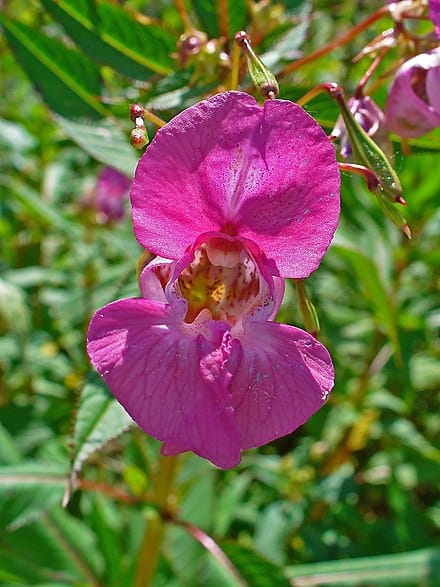
As the name suggests Himalayan Balsam comes originally from the Kashmir and Uttarakhand areas of the Himalayas. It was first introduced into Kew Gardens in 1839 as an annual greenhouse plant. Being easy to grow and having attractive pink/white trumpet shaped flowers it became a very popular plant with gardeners. Within 10 years it had escaped from the confines of gardens and begun to spread along the river systems of England.

Himalayan Balsam grows very quickly and once established in an area, forms dense thickets of up to 2 meters high. Each plant can produce up to 800 seeds, the seed pods once ripe, explode shooting the seeds up to 7m away from the parent plant. If the seeds land in a waterway they float down stream before settling in soft mud banks and germinating. The seeds can remain viable for up to 2 years.

Himalayan Balsam image Wikipedia

Why do we need to control Himalayan Balsam?

It smothers native vegetation by crowding and shading out light, in the winter it dies back leaving bare earth which is then subject to erosion. This can cause major problems along river banks. The dead plant debris can block waterways causing flooding and more damage to local habitats. Being very rich in nectar its flowers attract a wide array of pollinating insects. Studies are taking place on how this effects the pollination of our native plants. Initial finding suggest that it does have a detrimental effect as reduced numbers of insects are visiting other flowering plants. 

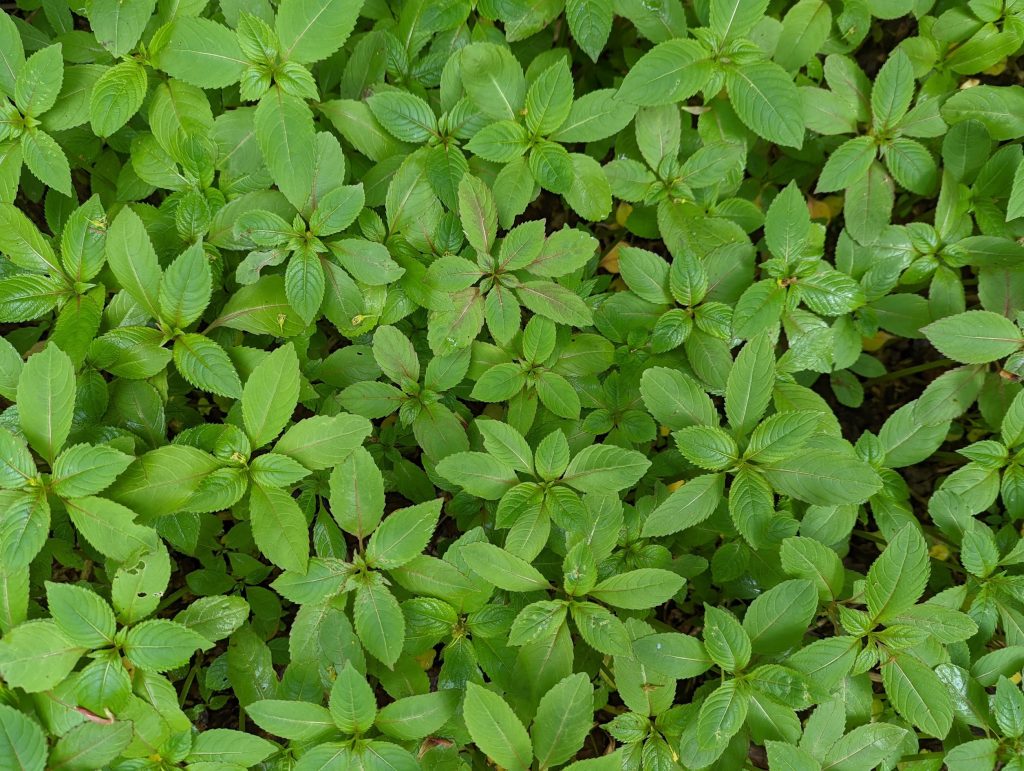
Himalayan Balsam seedling crowding out our native plants

Controlling Himalayan Balsam

Being a non-native plant it has no natural enemies to keep it under control. There are two traditional ways of removing Himalayan Balsam from a site hand pulling or spraying of chemicals. The best time of year for tackling the plant is May-July, before the seeds have set. Not all sites are suitable for either of these methods and trials of introducing a rust fungus from India are currently taking place in England and Wales.

New Caches

We have just five new caches published in our area this week, first four on the list are Premium Members only.

  • GC9A758 Tabor Chapel by ruthiejane D1.5/T1.5 Traditional
  • GC9A4E3 The Holly and the Ivy by ruthiejane  D1.5/T1.5 Traditional
  • GC9A9AJ Old Oak Tree by ruthiejane D1/T1.5 Traditional
  • GC96M6J Anglesey Coastal Path – Official Start by Glaslyn 1 D2.5/T1.5 Traditional
  • GC9A9VK Ty Du Breather by KANDRANDD D1.5/T1.5

Update on Prague Giga Event

Pete and I are probably the only people in the world that are pleased to see this event has been pushed back to May 2022 as this means we will be able to attend after all. We hope to put into place our original plans and are hoping others can join us.

GC7WWWW 20 Years of Geocaching Prague 2020 – Edition 2022
Although we were hoping for better news, the situation is unfortunately not such that it will be possible to carry out a gigaevent in 4 months.
This event will not take place in September 2021 because of health and safety concerns related to COVID-19. It will be rescheduled to 13-15 May 2022.
Hopefully, the situation will be stabilized next year. We believe that it will be possible to organize a grand celebration in a joyful and relaxed spirit, so that both participants and organizers can enjoy it.
Once it is rescheduled, we will post an Announcement and update this page.”

Blue Switch Day

Global Positioning System (GPS) when first developed was only available to the US military. Later civilians were allowed access with Selective Availability (SA) but the GPS signal accuracy was greatly reduced.

May 2nd 2000, on the instructions of President Bill Clinton, the US government turned off its Selective Availability. By “flipping the switch” everyone had access to high accuracy GPS signal. Twenty-four satellites around the globe processed their new orders, and instantly the accuracy of GPS technology improved tenfold. Tens of thousands of GPS receivers around the world had an instant upgrade. Even though there was not a blue switch, for some unknown reason, geocachers refer to this day as Blue Switch Day.

With the availability of accurate GPS signal the world changed forever with the introduction of new technologies that today we take for granted. Gone are the days of the road atlas!

May 3rd 2000 saw the first geocache hidden by Dave Ulmer in Oregon and the beginning of the game that we know today.

2017 Souvenir

In celebration of this Blue Switch Day geocaching first introduced a souvenir in 2017. To obtain your Blue Switch Day 2021 souvenir simply find either a geocache, an Adventure Lab or attend an event anytime between May 2nd to December 31st.

Orange Tip Butterfly – Anthocharis cardamines

Sunday 18th April 2021
This week saw our first sighting of an Orange Tip butterfly fluttering along the side of the river. They are one of my favourite butterflies as it indicates the warmer, longer days are here and summer is not far off. Our damp boggy fields are an ideal habitat and support a large colony.

They fly from late March to June depending on weather conditions. This butterfly lives in damp meadows, ditches, woodlands and hedgerows as this is where the caterpillars food plants grow, cuckoo-flower, garlic mustard and many other plants in the mustard family. 

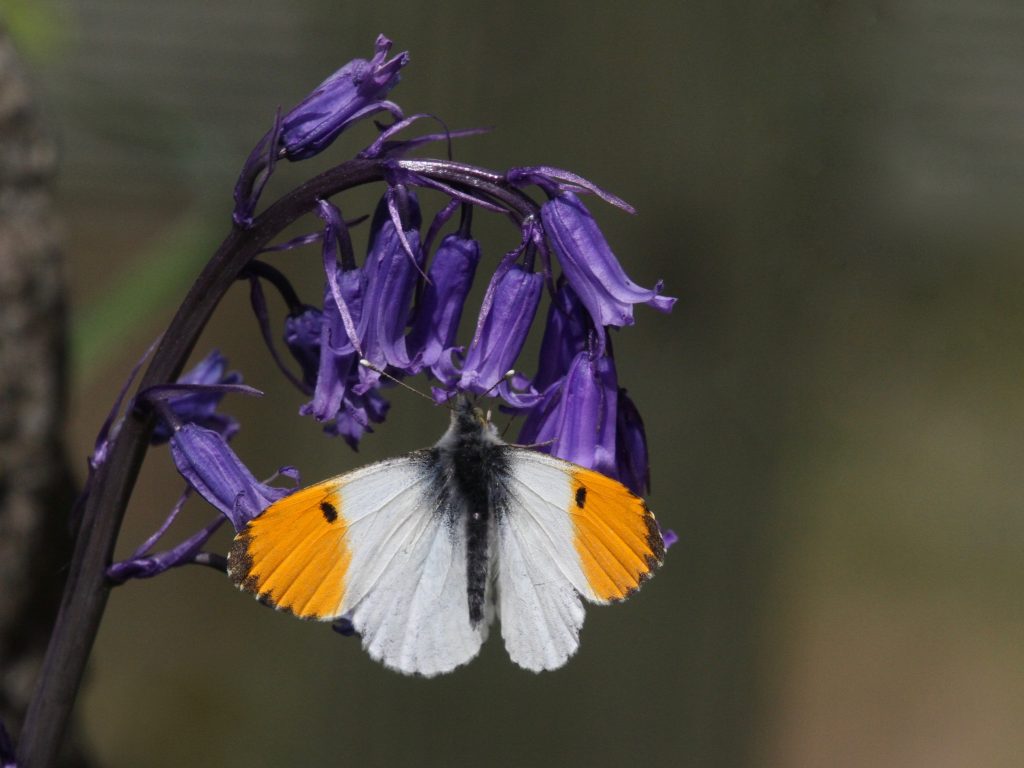
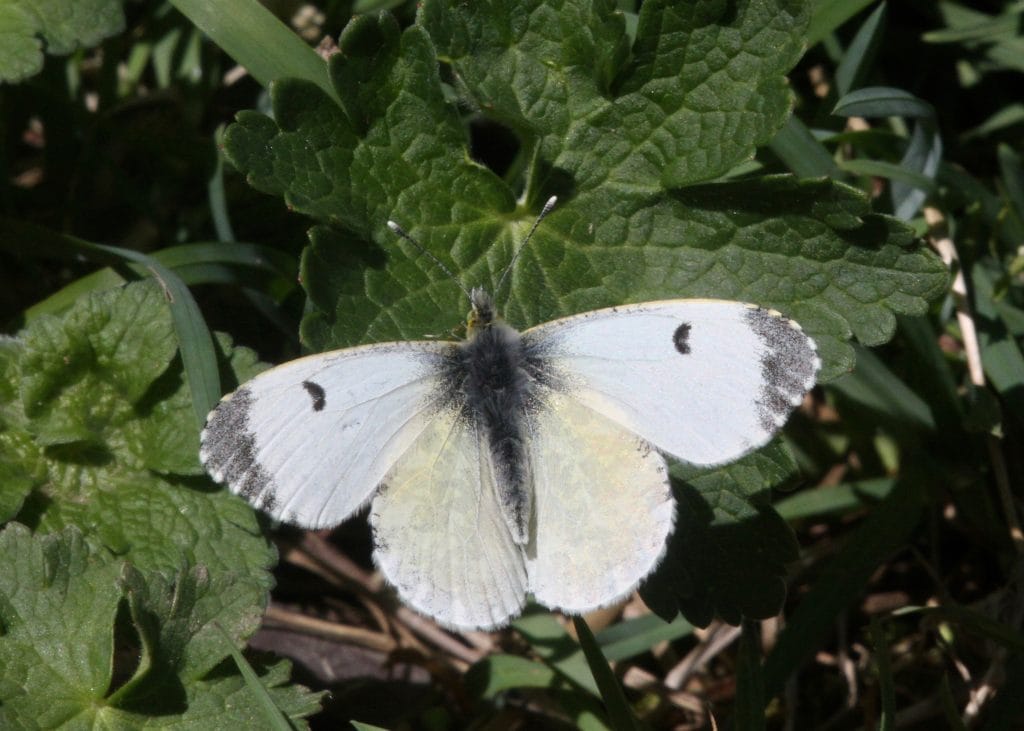
Male

Orange Tips are a very common butterfly, the male has the distinctive orange tipped wings which the females lack so they are not so easily recognised and can be mistaken for Small Whites.

Female

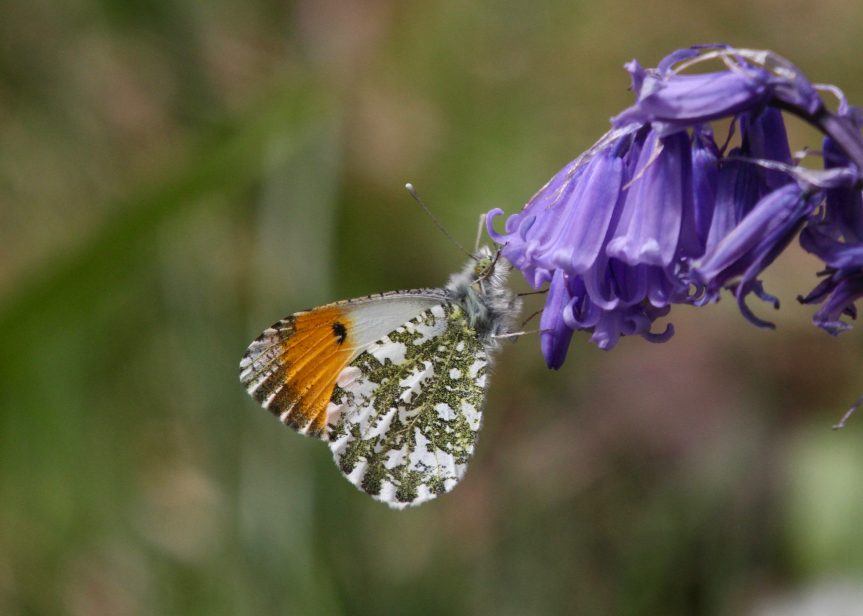
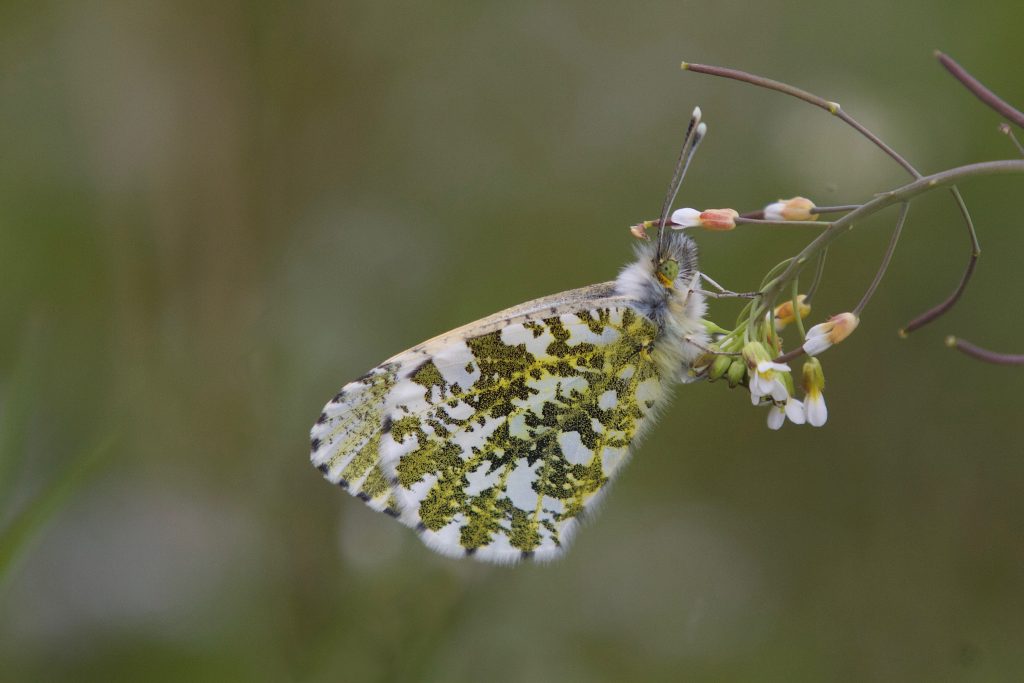
The under wings of both sexes have dappled dark green patterns with black scaling this gives excellent camouflage when the butterfly is at rest.

Under Wings

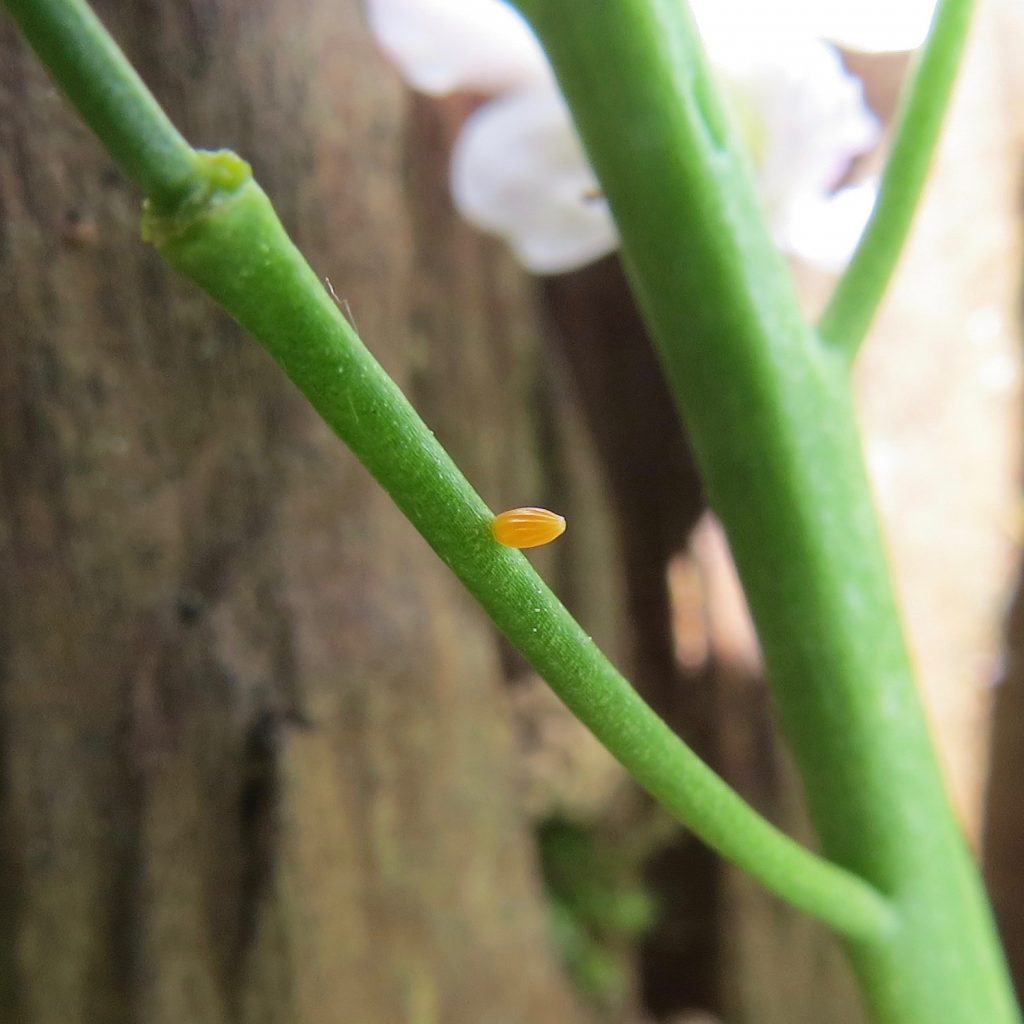
The females lay single barrel-shaped, grooved eggs on the underside of leaves and flowers of the food plant.

Newly laid egg

The eggs take around 14 days to hatch and change from yellow/white when first laid to orange and then grey just before they hatch. The caterpillars are blue-green with small black dots and broad white stripe. It takes about 5 weeks for them to become fully grown when they change into a narrow, curved, green or brownish chrysalis attached by a girdle to a plant stem. Here it hibernates over winter emerging as an adult the following spring.

New Caches

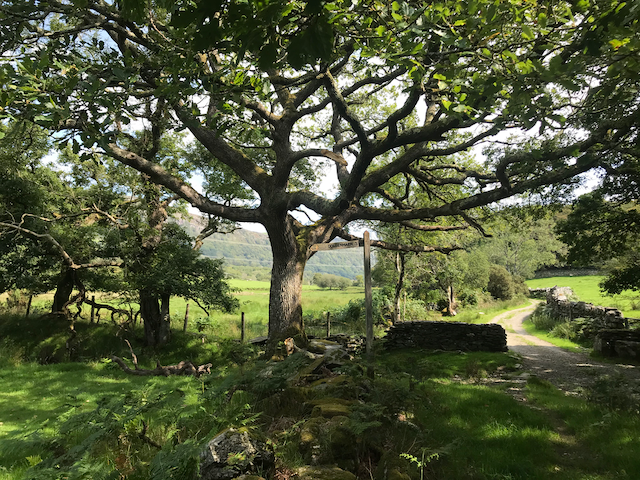
Above picture is the road to Penmorfa

There has been 13 new caches published in our area this week.

  • 9.4.2021 GC992A5 Road to Penmorfa 6 by ClareSion14 D1.5/T1.5 Trad
  • 12.4.2021 GC9992Z Road to Penmorfa 7 by ClareSion14 D1.5/T1.5 Trad
  • 13.4.2021 GC99B0G Afon Dwyfor by ClareSion14 D1.5/T1.5 Trad
  • 13.4.2021 GC93Q7W Magical Mystery Tour #9 Ticket to Ride by escapefromwork D1/T1 Trad
  • 9.4.2021 GC990TE Who you gonna call? by Somot, iwanwyn D1.5/T1.5 Trad
  • 29.11.2020 GC93ZAW Add some stile to your kissing #1 of 8 by Richieblod D3/T2 Mystery
  • 29.11.2020 GC941C5 Add some stile to your kissing #2 of 8 by Richieblod D4/T2.5 Trad
  • 29.11.2020 GC94CEG Add some stile to your kissing #3 of 8 by Richieblod D1.5/T1.5 Multi
  • 29.11.2020 GC93ZB1 Add some stile to your kissing #4 of 8 by Richieblod D2/T1.5 Trad
  • 29.11.2020 GC93ZBM Add some stile to your kissing #5 of 8 by Richieblod D2.5/T2.5 Trad
  • 29.11.2020 GC922FB Add some stile to your kissing #6 of 8 by Richieblod D2.5/T1.5 Trad
  • 29.11.2020 GC922EQ Add some stile to your kissing Lôn Dŵr 1 #7 of 8 by Richieblod D2/T2 Trad
  • 29.11.2020 GC922F3 Add some stile to your kissing Lôn Dŵr 2 #8 of 8 by Richieblod D3/T2 Trad